Description
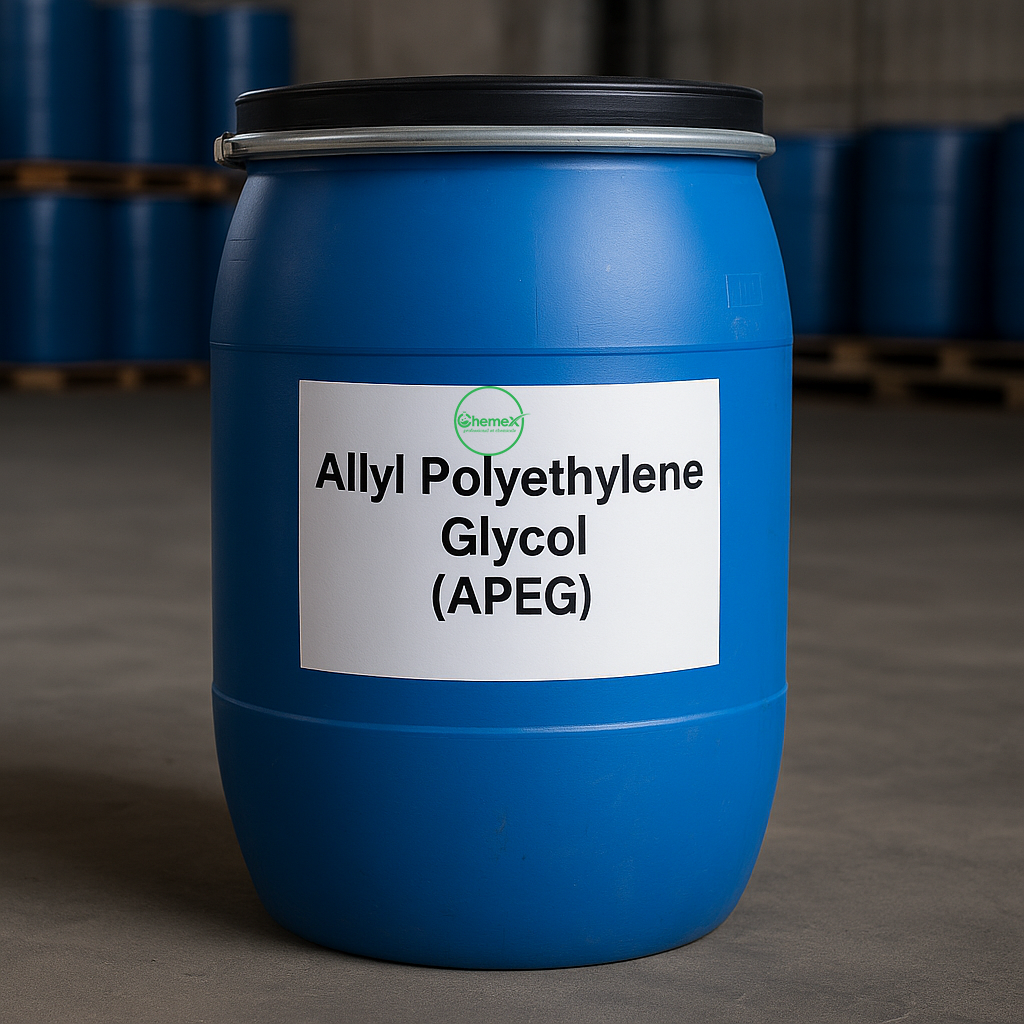
Allyl Polyethylene Glycol (APEG)
Allyl Polyethylene Glycol (APEG) is a reactive, water-soluble polymer widely used as a key intermediate in various industrial formulations. It consists of a polyethylene glycol (PEG) backbone terminated with an allyl functional group, which enables its participation in a variety of chemical reactions, particularly radical polymerization, etherification, and copolymer synthesis. This unique combination of hydrophilic PEG chains and a reactive allyl end-group gives APEG excellent versatility in both structure and function.
Chemical Structure and Properties
- General Formula: H–(OCH₂CH₂)ₙ–O–CH₂CH=CH₂
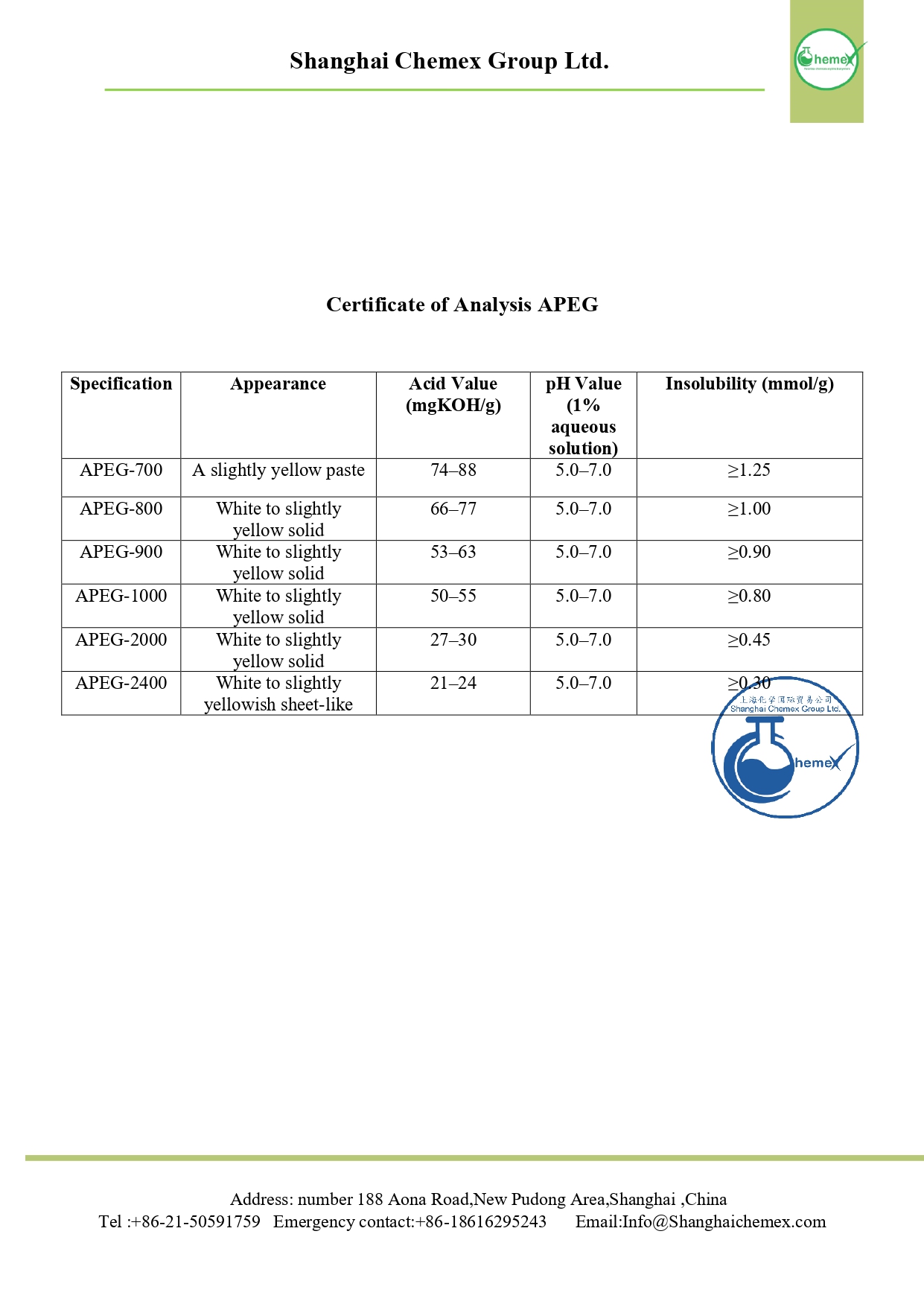
- Molecular Weight: Typically ranges from 200 to 5000 g/mol, customizable for specific applications
- Solubility: Completely soluble in water and many organic solvents
- Appearance: Colorless to pale yellow liquid or waxy solid depending on molecular weight
- Functional Group: Allyl (CH₂=CH–CH₂–), highly reactive in free-radical and nucleophilic addition reactions
Key Features and Advantages
- High chemical and thermal stability
- Excellent water solubility and low toxicity
- Reactive end-group suitable for grafting or polymerization
- Biocompatible and non-volatile
- Available in a wide range of molecular weights and viscosities
- Facilitates controlled polymer architecture in advanced materials
Major Applications
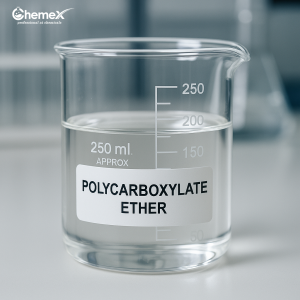
- Polycarboxylate Ether (PCE) Superplasticizers
APEG is a critical raw material in the production of modern superplasticizers for high-performance concrete. The allyl group allows graft polymerization with carboxylic acid monomers, forming comb-like polymers that enhance dispersion and water reduction in cement mixtures. Benefits include improved flowability, reduced water-cement ratio, and extended workability in construction applications. - Coatings and Adhesives
APEG-derived polymers are used in waterborne coatings and adhesives due to their excellent film-forming ability, flexibility, and compatibility with other resins. The hydrophilic PEG chain provides moisture retention and surface wetting, while the allyl group enhances crosslinking and adhesion. - Textile and Personal Care
As a surfactant precursor or dispersing agent, APEG finds use in textile processing and cosmetic formulations. It helps emulsify oils, improve texture, and increase the solubility of active ingredients in aqueous systems. - Polymer Modification
APEG is used as a macromonomer in radical polymerization to create block or graft copolymers. This is valuable in developing hydrophilic coatings, responsive gels, and drug delivery systems. It also acts as a chain transfer agent in polymer reactions, helping control molecular weight and branching. - Lubricants and Antifoaming Agents
In industrial lubricants and metalworking fluids, APEG serves as a solubility enhancer and viscosity modifier. Its low volatility and stable PEG backbone help maintain performance under extreme conditions.
Environmental and Safety Considerations
APEG is generally regarded as safe, non-toxic, and environmentally friendly. It exhibits low bioaccumulation and is readily biodegradable. It complies with many international regulations for use in industrial and consumer products, including REACH and FDA (depending on grade and application).
Conclusion
Allyl Polyethylene Glycol is a high-value specialty polymer that bridges the gap between traditional PEGs and functionalized macromonomers. Its unique allyl end-group enables customizable reactivity and polymer architectures, making it indispensable in modern material science, construction chemistry, and specialty chemical industries.
Reviews
There are no reviews yet.