Description
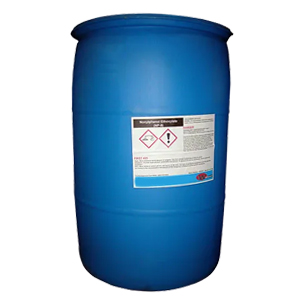
Nonylphenol Ethoxylated (NPE) is a widely used chemical compound, primarily employed as a surfactant in various industrial and commercial applications. It belongs to a group of nonionic surfactants made by the ethoxylation of nonylphenol. While it has proved indispensable across numerous industries, its environmental impact has raised concerns, driving the push for more sustainable alternatives. Understanding NPE’s properties and its wide range of applications is crucial in assessing its role and significance in modern industries.
Nonylphenol Ethoxylated chemcal properties:
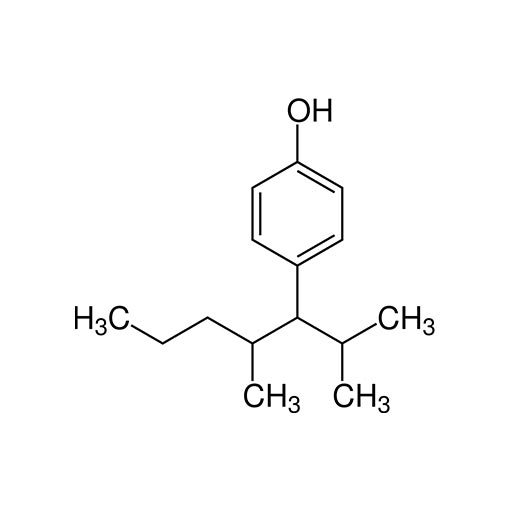
- NPE is synthesized through the ethoxylation of nonylphenol, which introduces ethylene oxide chains to the nonylphenol molecule. This process produces a series of compounds that vary in the length of the ethoxylate chains, resulting in products with different chemical properties. The basic structure of NPE consists of a nonylphenol core with varying numbers of ethylene oxide groups attached, usually ranging from 4 to 20 ethoxylate units. These variations influence its solubility, surface activity, and effectiveness in different applications.
- One of the key properties of NPE is its ability to reduce the surface tension between liquids, or between a liquid and a solid, making it an efficient surfactant. NPE is water-soluble to a certain extent, depending on the ethoxylate chain length, with longer chains generally being more hydrophilic (water-attracting). This solubility enables NPE to mix with both water and oils, making it versatile for various formulations.
- NPE also exhibits excellent emulsification, wetting, and dispersing capabilities. These characteristics make it suitable for applications where uniform mixing of oil and water-based components is required. However, its performance may be influenced by factors like temperature, concentration, and the presence of other chemicals.
Industrial Uses of NPE
Nonylphenol Ethoxylated in Detergents and Cleaning Agents
One of the most common uses of this chemical is in detergents and cleaning agents. Its surfactant properties make it highly effective in breaking down oils, grease, and dirt. NPE is frequently used in industrial cleaning formulations for textiles, metal processing, and hard surfaces. In the textile industry, it serves as a wetting agent and emulsifier, helping dyes and other chemical treatments penetrate fibers more effectively.
Agrochemicals
Nonylphenol Ethoxylated is widely employed in agricultural products as an emulsifier and dispersing agent. It is found in pesticide formulations to enhance the mixing and spreading of active ingredients, improving their effectiveness. As a nonionic surfactant, it ensures that pesticides are evenly distributed across plant surfaces, maximizing their coverage and reducing waste.
Paints and Coatings

In the paints and coatings industry, NPE is used as a stabilizer and dispersant to prevent the separation of pigments and other components. This ensures a uniform finish and color consistency in products like paints, varnishes, and coatings. NPE’s ability to reduce surface tension also improves the spreading of coatings, ensuring smooth application.
Personal Care Products
Although less common today due to environmental concerns, Nonylphenol Ethoxylated has been used in personal care products like shampoos, body washes, and facial cleansers. In these applications, it acts as an emulsifier and surfactant, helping to blend water-based and oil-based ingredients while ensuring good foaming properties.
Nonylphenol Ethoxylated in Industrial Processes
NPE is also utilized in various industrial processes, such as oil recovery and metalworking. In enhanced oil recovery, it helps in breaking the oil-water interface, allowing better extraction of oil from reservoirs. In metalworking, it is used as a wetting agent and lubricant, aiding in processes like machining, grinding, and cutting.
Reviews
There are no reviews yet.